
After Surgery
Call Us: 575-437-0890
Tonsillectomy & Adenoidectomy
What to expect after surgery
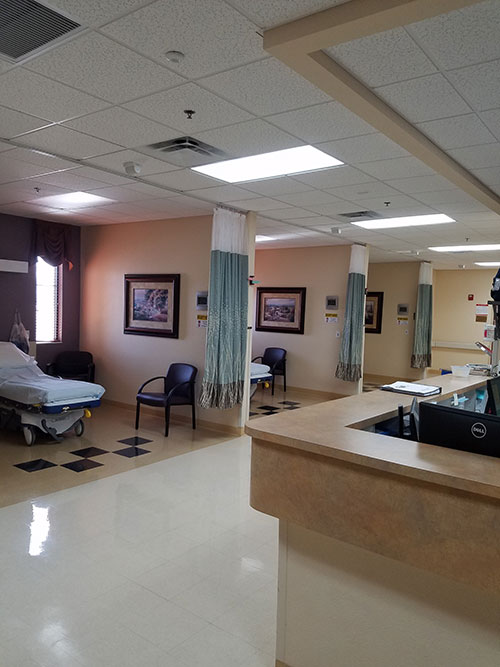
The operation usually takes about 30 minutes to 1 hour. The patient then wakes up from the anesthetic in the recovery room. After the patient is awake enough, usually after about 1 hour following surgery, a nurse from the recovery room will notify you, and one family member at a time can visit the patient in the recovery room. When the patient is more fully awake, they will be moved to the Ambulatory Care Unit. When the hospital staff is satisfied that the patient is awake enough and is able to take liquids they will release the patient to go home.
After surgery, you can expect a sore throat for about 10-14 days. Although the discomfort usually improves over the first few days, many patients notice that it actually seems a little worse around days 5-7. This is due to the healing process, and it should not be cause for alarm, as it will continue to improve after this. There is frequently pain in the ears. This is really just pain in the throat that feels like it is in the ears. The throat will have a thick white coating where the tonsils used to be. This is the normal healing process and does not indicate infection. There may also be bad breath until the throat is completely healed at about 2 weeks.
Bleeding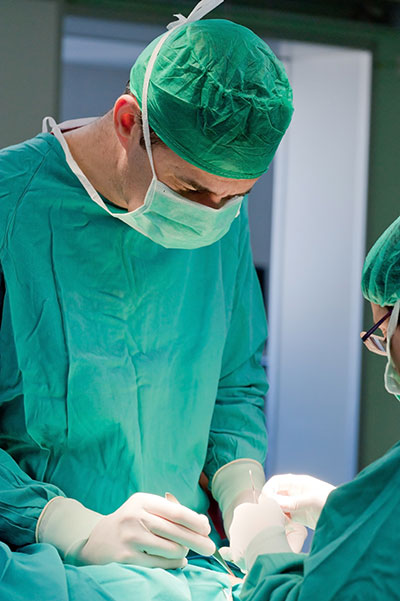
The patient will usually have small amounts of blood or blood-tinged secretions from the mouth or nose for the first 24 hours. This is normal and should not cause alarm. Substantial bleeding is uncommon, but if it is going to occur, it usually takes place either the first night after surgery or about 7-8 days after surgery when the scabs come off of the throat. A significant amount of bleeding would be bleeding that is continuous or that fills up more than an inch of the bottom of a glass. Likewise if the patient vomits up a comparable amount of blood clots it indicates the patient is swallowing this amount of blood. If this amount of bleeding occurs, you should contact Dr. Frost or the Emergency Room immediately so we can assess the seriousness of the situation and decide if the patient needs to return to the hospital.
Nausea/Effects of anesthesia
The after-effects of general anesthesia can occasionally cause patients to be groggy and/or nauseated lasting up to about 24 hours. If nausea and vomiting occur this can be improved by taking the Phenergan prescribed by Dr. Frost. This can be taken either by mouth or as a suppository if the patient is too nauseated to keep the medicine down. Once again, although it is unlikely, swallowed blood can cause nausea as well which is usually not controlled by Phenergan, and if the material vomited up contains a large amount of blood or clots, this should be treated as postoperative bleeding.
Fever
A low grade temperature of 100-101° is common the first night after surgery. This is the body's response to surgery and anesthesia, and is not worrisome.
Liquids
It is very important to drink adequate liquids both to make sure they stay hydrated and because it will make the throat feel better. Swallowing is most painful at first when the patient has not swallowed for a long time, but the more they drink, the easier and less uncomfortable it will become, so it is important to keep drinking frequently. It may also be helpful to wake the patient up once or twice the first night to let them drink some liquids. Cold, non-carbonated beverages are usually best such as Kool-aid, Gatorade, iced tea, apple juice, water, ice chips, jello and popsicles. Patients should drink at least 3 large glasses of liquid per day. Another way you can tell if the patient is getting enough to drink is by the color of their urine. The urine should be clear. If the urine is dark orange, it is too concentrated, and they need to drink more. If patients absolutely refuse to drink enough liquid, we can bring them back to the hospital and place an IV to administer fluids as needed, but this is rarely needed.
Solid Foods

Soft, smooth foods like pudding, mashed potatoes or ground meat, etc., are best for the first 10 days as they are less likely to scratch the throat. Patients may not feel like eating much solid food for the first few days, and it is not unusual for patients to lose a few pounds after surgery. This is acceptable, but once again, it is mandatory that patients drinks an adequate amount of fluid. Dairy foods may thicken the saliva and may be difficult to eat the first 24 hours, but are acceptable if they can be swallowed.
Activity/School
The patient should rest at home for the first week. They may return to school after the first week if they feel up to it, but they may continue to have a sore throat for up to 2 weeks. Patients should avoid physical exertion for 10 days until the throat heals, and the risk of bleeding is completely passed.
Pain Medication
Dr. Frost has prescribed a pain medication that contains narcotics. This is a very potent pain medication and will help the throat pain substantially, but it can also cause nausea if a high dose is taken or if the patient is up moving around too much after taking the medication. For this reason, if the patient is having enough pain to require this medication, they should probably be at bed rest too, or at least not active. Changing the patient over to plain Tylenol when the level of pain has subsided will allow the patient to feel better, and more alert in most cases. Under no circumstances are you to use Advil, Aspirin, Motrin, Aleve or any other non-steroidal anti-inflammatory medication. This kind of medication reduces the ability for the blood to clot and increases the risk of a post-operative tonsil bleeding.
Antibiotics
Dr. Frost has prescribed an antibiotic to take for the first 10 days after surgery. This medication will help the throat to heal somewhat faster.
Miscellaneous things to make the patient more comfortable:
Cool air vaporizer at bedside.
Ice packs to neck.
Follow Up
If you don't already have an appointment please call Dr. Frost's office to arrange for a follow up appointment for 2 weeks after surgery as a final check that the throat is completely healed.
Phone Numbers
Dr. Frost: 575.437.4533
GCMH Hospital: 575.439.6100
When downloading, you will need Adobe Acrobat Reader® to view and print. If you do not have the reader, you can get free software from Adobe's Web site by clicking on the icon below.

Patient Portal
Medical Passports are secure, online patient-controlled accounts that provide medical history information.

Pay your Bill
Christus Southern New Mexico offers an easy way for patients to pay your bill.

CareCredit
SNMSC patients prior to 4/1/25. CareCredit is a healthcare credit card designed for your health and wellness needs for you, your entire family and your pets.
Christus Surgery Center Indian Wells
2301 Indian Wells Rd. Suite B
Alamogordo, NM 88310
Phone: 575.437.0890
Fax: 575.437.0905
Email: patsey.bridges@christushealth.org